Upholding excellence in early childhood per NAEYC Professional Standards
Discover my dedication to the foundational principles of early childhood education. Here, you'll see how I embrace and apply the NAEYC standards in my journey to becoming a teacher, fostering environments where every child can thrive.

Candidates prepared in early childhood degree programs are grounded in a child development knowledge base. They use their understanding of young children’s characteristics and needs, and of multiple interacting influences. on children’s development and learning, to create environments that are healthy, respectful, supportive, and challenging for each child.

Candidates prepared in early childhood degree programs understand that successful early childhood education depends upon partnerships with children’s families and communities. They know about, understand, and value the importance and complex characteristics of children’s families and communities. They use this understanding to create respectful, reciprocal relationships that support and empower families, and to involve all families in their children’s development and learning.
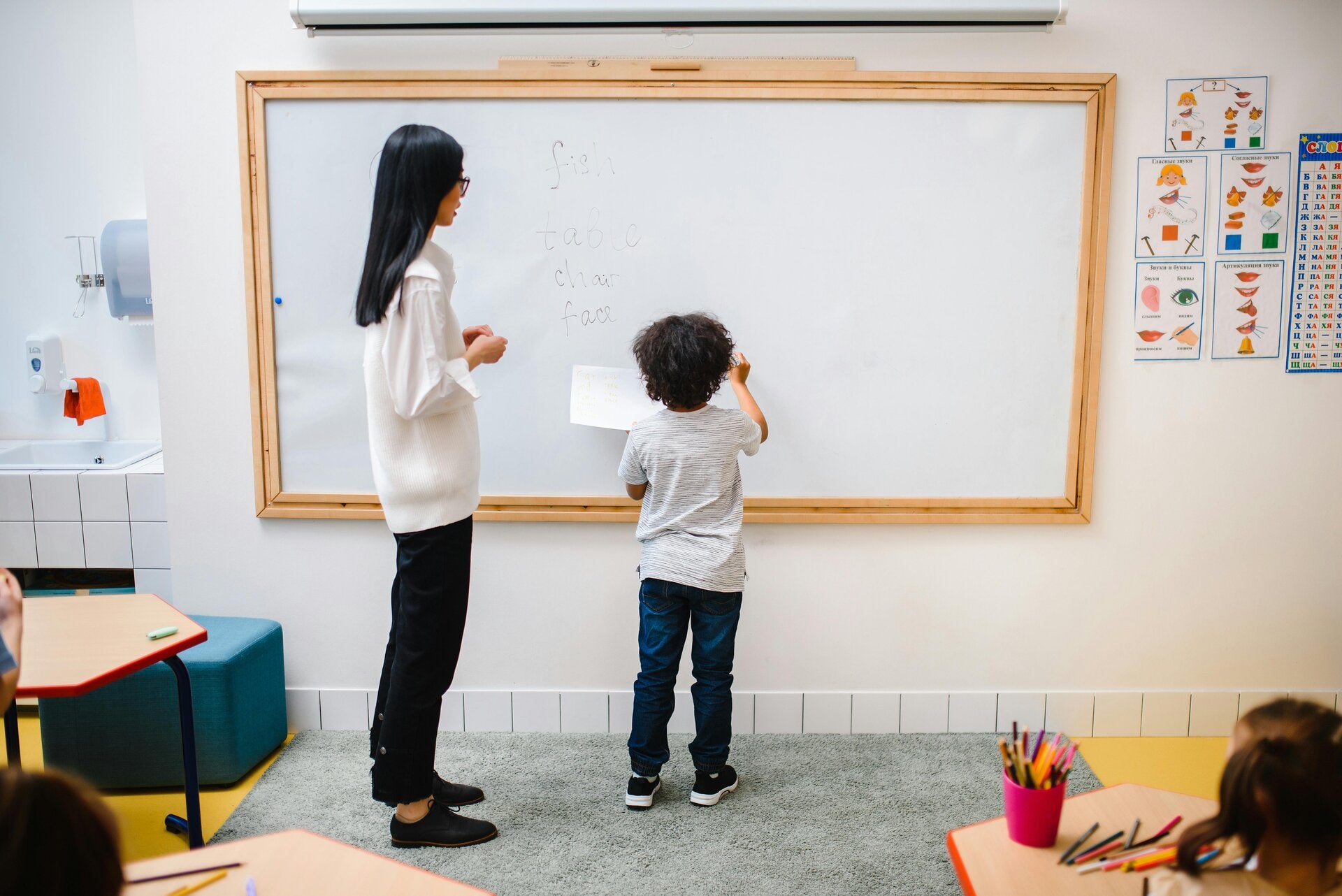
Candidates prepared in early childhood degree programs understand that child observation, documentation, and other forms of assessment are central to the practice of all early childhood professionals. They know about and understand the goals, benefits, and uses of assessment. They know about and use systematic observations, documentation, and other effective assessment strategies in a responsible way, in partnership with families and other professionals, to positively influence the development of every child.

Candidates prepared in early childhood degree programs understand that teaching and learning with young children is a complex enterprise, and its details vary depending on children’s ages, characteristics, and the settings within which teaching and learning occur. They understand and use positive relationships and supportive interactions as the foundation for their work with young children and families. Candidates know, understand, and use a wide array of developmentally appropriate approaches, instructional strategies, and tools to connect with children and families and positively influence each child’s development and learning.

Candidates prepared in early childhood degree programs use their knowledge of academic disciplines to design, implement, and evaluate experiences that promote positive development and learning for each and every young child. Candidates understand the importance of developmental domains and academic (or content) disciplines in early childhood curriculum. They know the essential concepts, inquiry tools, and structure of content areas, including academic subjects, and can identify resources to deepen their understanding. Candidates use their own knowledge and other resources to design, implement, and evaluate meaningful, challenging curriculum that promotes comprehensive developmental and learning outcomes for every young child.

Candidates prepared in early childhood degree programs identify and conduct themselves as members of the early childhood profession. They know and use ethical guidelines and other professional standards related to early childhood practice. They are continuous, collaborative learners who demonstrate knowledgeable, reflective and critical perspectives on their work, making informed decisions that integrate knowledge from a variety of sources. They are informed advocates for sound educational practices and policies.